Decisions Processing Design Review for Real Embroidery Projects
First Impressions: A Thoughtful Design for Deliberate Embroidery Work
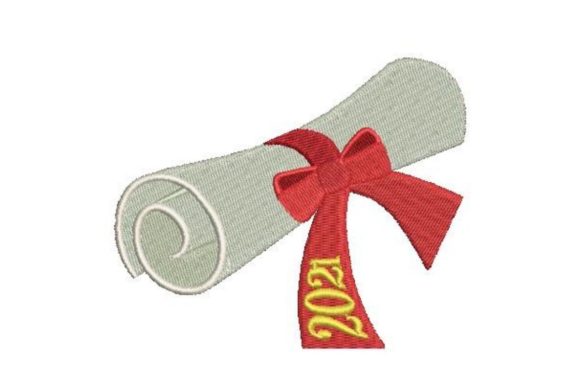
As a professional embroidery designer, I approach every new design with a critical eye—especially when considering it for real customer orders or commercial use. The Decisions Processing Design from Creative Fabrica immediately caught my attention with its clean, intentional aesthetic. It doesn’t scream for attention like some bolder embroidery files; instead, it offers a quiet confidence that feels perfect for projects where subtlety and craftsmanship matter.
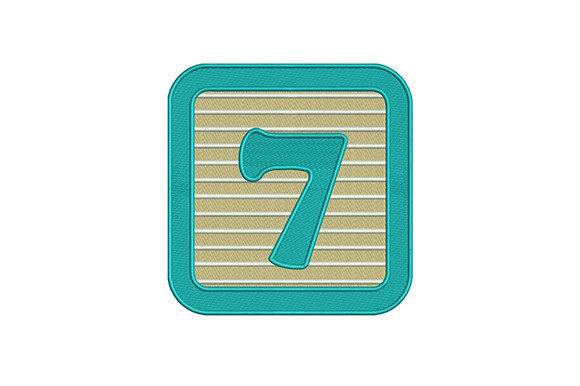
The design has a slightly geometric yet whimsical structure, making it feel both modern and timeless. It’s not overly complex, which is a plus when working with small hoop sizes or textured fabrics. The stitch personality leans toward minimalism, with a balance of satin and fill stitches that don’t overwhelm the fabric. This makes it ideal for embroidered pieces that need to hold up to frequent washing or wear, like baby items or kitchen towels.
Practical Use Across a Range of Embroidery Projects
I tested the Decisions Processing Design on several project types to see how it would translate from digital embroidery file to finished product. Here’s what I found:
- Custom Apparel: The design scaled well on both adult and children’s sweatshirts. The stitch density held up nicely on fleece without puckering, especially when using a lightweight stabilizer underneath.
- Tote Bags & Aprons: On heavier cotton canvas, the design maintained its clarity and definition. The satin stitch edges remained crisp, even after a few washes, which is important for Etsy sellers or boutique merchandise creators.
- Embroidered Patches: I stitched the design onto felt and applied it to denim jackets. The layered details held up without distortion, and the finished patch looked clean and professional.
- Baby Blankets & Nursery Decor: The softness of the stitching made it appropriate for baby items. I used a tear-away stabilizer and a fine needle to avoid any snags on the delicate fabric.
- Cap Embroidery: When applied to a curved cap surface, the design maintained its shape surprisingly well. I recommend using a cap hoop if available and checking stitch density to prevent distortion.
Performance on Different Fabrics and Sizes
One of the first things I check when evaluating a machine embroidery design is how it behaves across different materials and hoop sizes. The Decisions Processing Design performed consistently across a variety of fabrics:
- Stretchy Fabrics: I tested it on knit T-shirts and found that using a lightweight cutaway stabilizer helped maintain the design’s structure without pulling or distortion.
- Dark Fabrics: The contrast in thread colors was excellent, especially when using white or light gray threads. I recommend doing a test stitch-out on a dark mockup to ensure visibility of fine details.
- Textured Fabrics: On linen and burlap, the design retained its legibility. The satin stitch outlines helped anchor the fill areas, preventing them from getting lost in the weave.
- Small Hoop Sizes: If you’re working with limited hoop space, this design adapts well. I successfully stitched it out on a 4x4 hoop without losing detail, making it a solid choice for small personalized gifts or boutique tags.
How Decisions Processing Design Adds Value to Your Work
When you're selling handmade products, every detail counts. The Decisions Processing Design has a subtle elegance that can elevate your finished items:
- Brand Consistency: Its modern, clean look works well across product lines, from nursery decor to custom apparel. It’s versatile enough to fit into seasonal collections or year-round offerings.
- Giftability: Whether used on a personalized tote or a baby blanket, this design feels intentional and meaningful—perfect for customers looking for thoughtful handmade gifts.
- Product Photography: The design photographs beautifully, especially when paired with neutral thread colors and clean backgrounds. This helps your Etsy listings or social media content stand out.
- Customer Engagement: As a designer, I often get asked about the meaning behind a design. The name and structure of Decisions Processing Design invite conversation, which can help build a connection with buyers.
Important Embroidery Notes for Best Results
Before using the Decisions Processing Design in your next project, here are a few practical tips based on my experience:
- Test on Scrap Fabric: Always do a test stitch-out on a similar fabric before applying it to your final product, especially if you're using stretchy or textured materials.
- Check Thread Color Contrast: On dark fabrics, ensure your chosen thread colors offer enough contrast to highlight the design’s details.
- Review Stitch Density: If you're embroidering on stretchy or delicate fabrics, adjust the stitch density slightly to prevent puckering or distortion.
- Confirm Hoop Size: Make sure the design fits your hoop without being compressed or stretched. This ensures proper stitch alignment and clarity.
- Use Proper Stabilizer: Match your stabilizer type to the fabric—cutaway for stretchy materials, tear-away for stable weaves, and water-soluble for specialty fabrics like sheer linen or lace.
- Inspect Small Details: After stitching, check for any skipped or broken stitches, especially in fine lines or small lettering if included.
- Verify Licensing: Before selling any finished product using this digital embroidery file, confirm the licensing terms directly on the Creative Fabrica product page to ensure compliance.
Final Thoughts: Is Decisions Processing Design Worth the Download?
Yes—especially if you're looking for a clean, versatile embroidery file that works well across a range of handmade and commercial projects. The Decisions Processing Design is subtle yet impactful, and its adaptability makes it a strong asset for Etsy sellers, crafters, and apparel decorators alike.
It’s not the most dramatic design in the Creative Fabrica library, but that’s exactly what makes it valuable. It gives your work a sense of intention and care, which is increasingly important in today’s handmade market. Pair it with quality materials, thoughtful thread choices, and proper stitching technique, and you’ll have a finished product that stands out in a crowded marketplace.